The Cuban Adjustment Act and the story of Cuban exile

From 1959 to today: the 1966 law, every wave of migration and what the courts say, with sources.
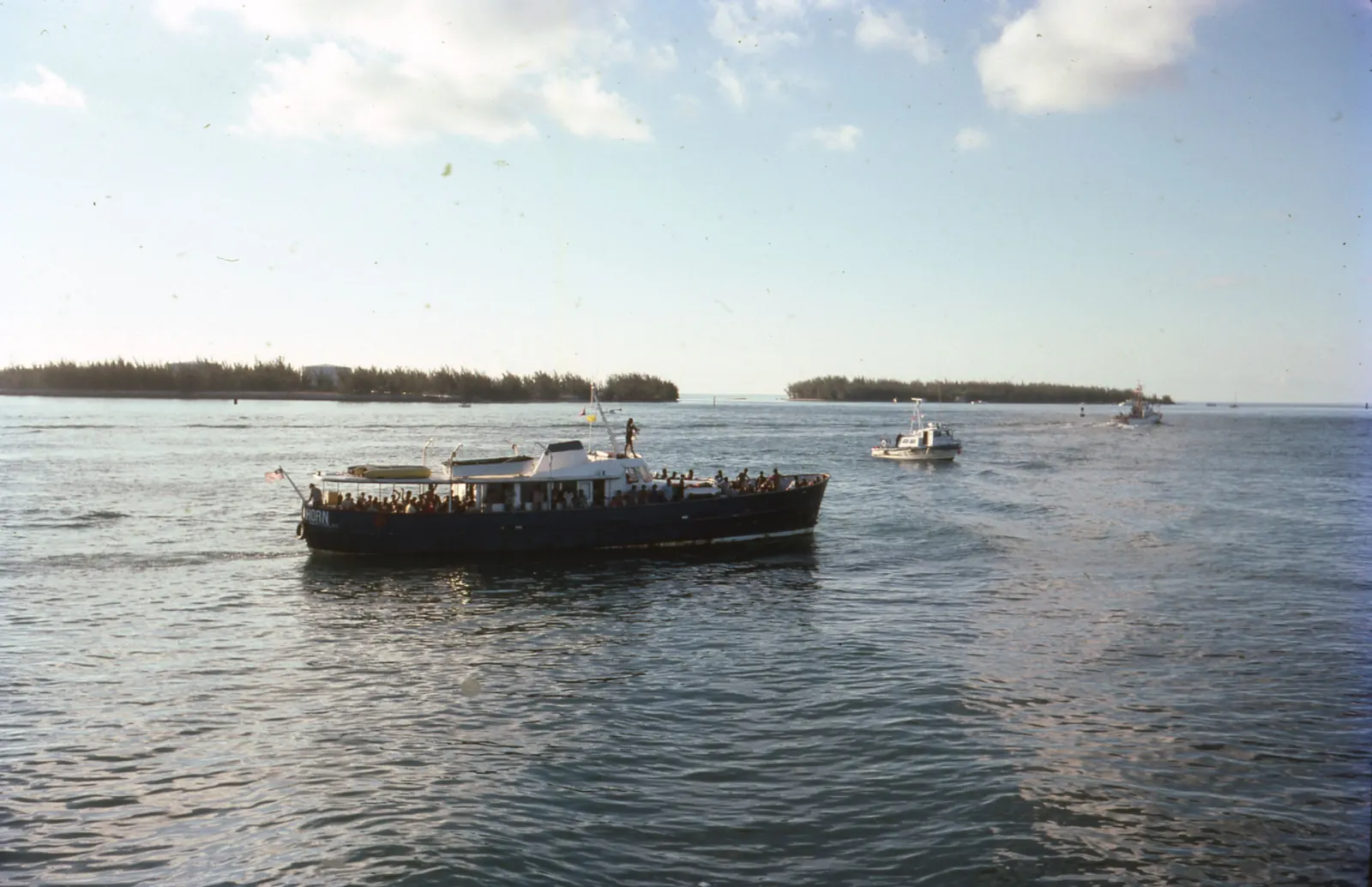
A boat packed with people sails toward Key West harbor under a wide sky, with mangrove islets in the background and smaller boats behind it.
A boat carrying Cuban refugees enters Key West harbor, Florida, during the Mariel boatlift, 1980. Photo by Raymond L. Blazevic.Credit: Raymond L. Blazevic / Florida Keys Public Libraries. License CC BY 2.0.

The history in 14 chapters

Full timeline, 199 events
  1. 1959-1962The First ExileFrom Batista's flight to the end of the airlift in the October Crisis
  2. 1960-1962Operation Pedro PanMore than 14,000 boys and girls who flew to Miami alone
  3. 1962-1965The Closed-Door YearsThree years without direct flights: the Bay of Pigs exchange, exits through third countries, and the boats
  4. 1965-1973Camarioca and the Freedom FlightsFrom the port Castro opened to the Varadero-Miami airlift
  5. 1966The Birth of the Cuban Adjustment ActHow Congress pulled paroled refugees out of legal limbo
  6. 1973-1979Dialogue and ReunionFrom departures through third countries to community visits
  7. 1980The Mariel ExodusOne hundred twenty-five thousand people in six months
  8. 1981-1993Between Two CrisesThe Mariel excludables, the 1984 agreement, and the road to the summer of 1994
  9. 1994The Rafter CrisisThe summer of 1994 and the end of the open door
  10. 1995-2016Wet Foot, Dry FootTwo decades in which touching land decided everything
  11. 2017-2020The End of "Wet Foot, Dry Foot"The Adjustment Act stands, but the door at the border closes
  12. 2021-2023The Great ExodusCrisis, protests and the volcano route: the largest departure of Cubans in history
  13. 2023-2024Humanitarian ParoleSponsors, CBP One and the end of Title 42: the legal path that emptied the volcano route
  14. 2025-2026Closed Doors, Law Still StandingFrom the end of CBP One to the hold on case files: Cubans in 2025 and 2026

The law, in its central sentence

[T]he status of any alien who is a native or citizen of Cuba and who has been inspected and admitted or paroled into the United States subsequent to January 1, 1959 and has been physically present in the United States for at least two years, may be adjusted by the Attorney General, in his discretion and under such regulations as he may prescribe, to that of an alien lawfully admitted for permanent residence...
Pub. L. 89-732, section 1, 80 Stat. 1161, November 2, 1966. Original text: since the Refugee Act of 1980, one year of physical presence is enough.

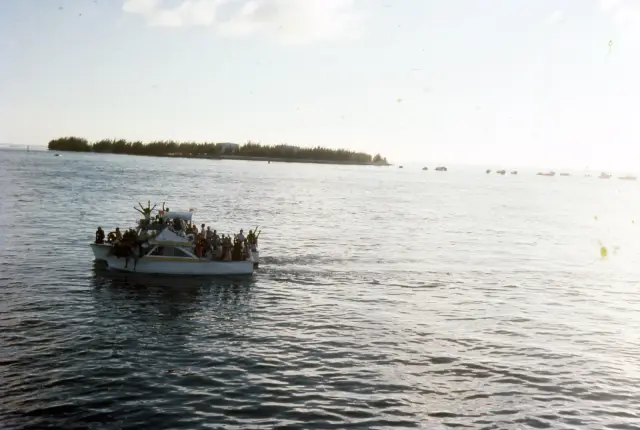
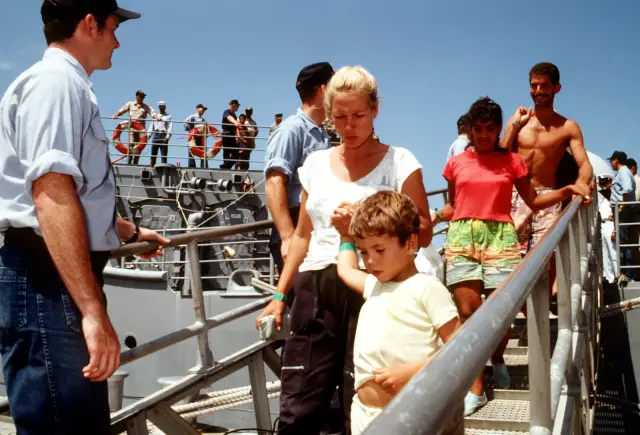
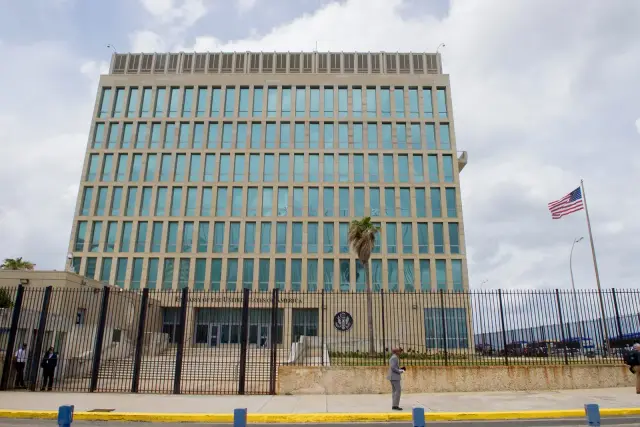
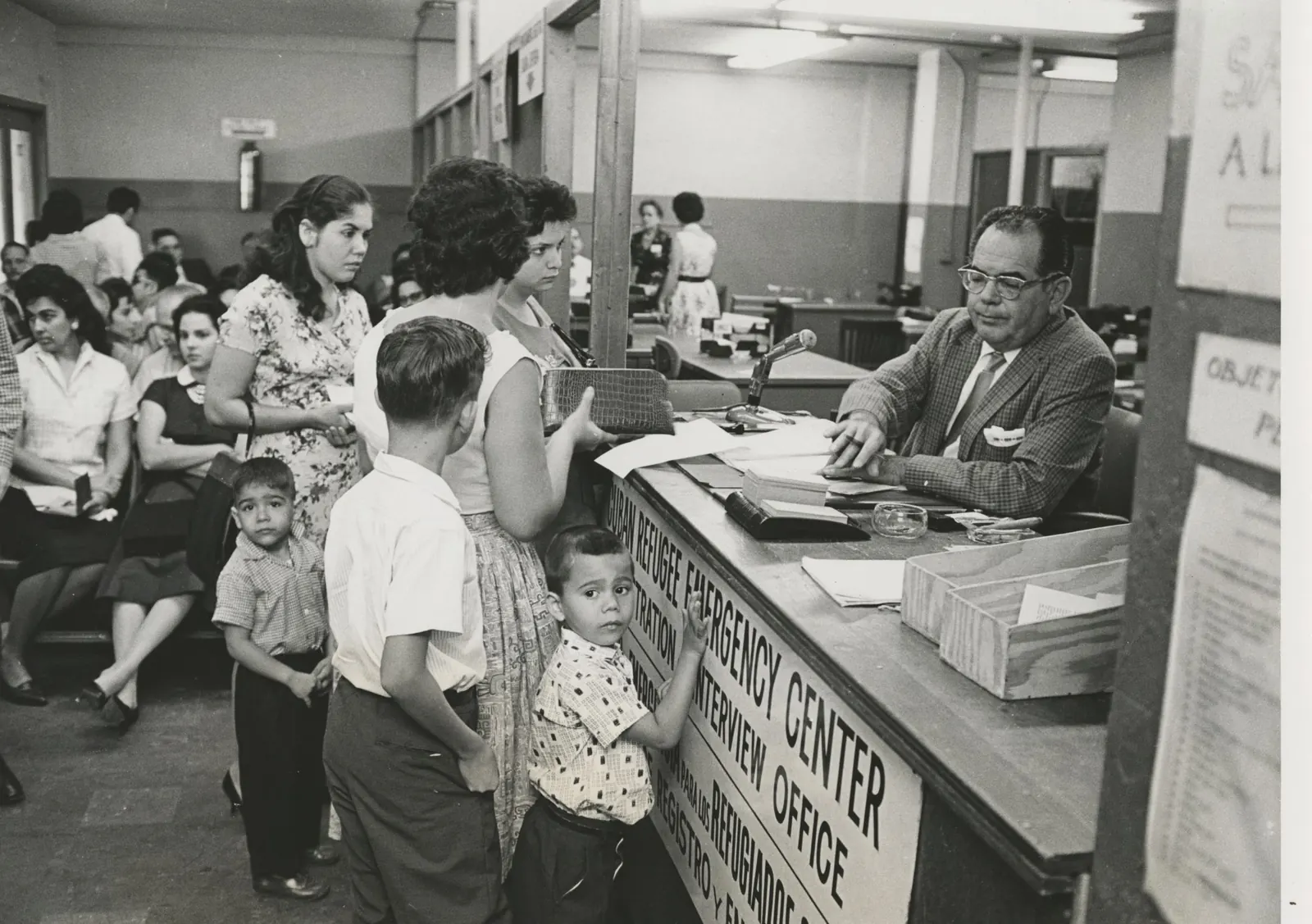
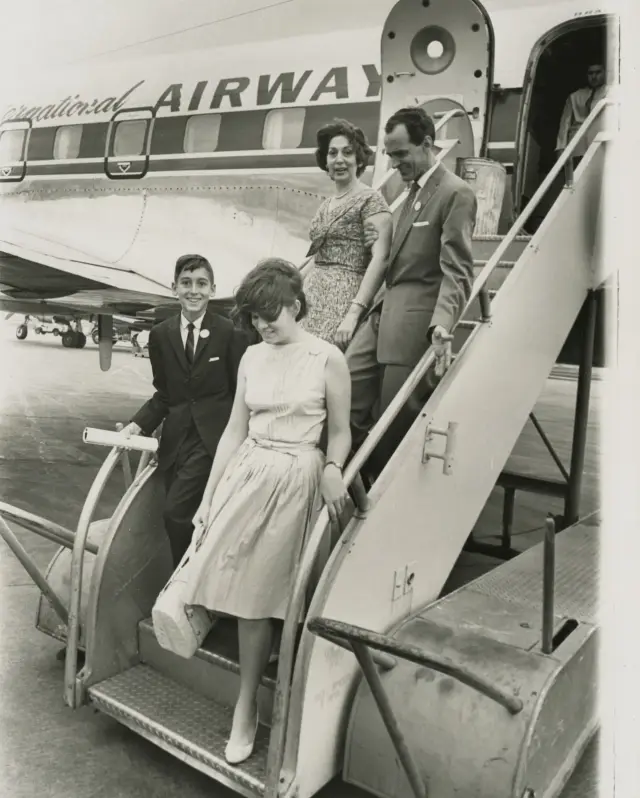
Archival photographs of Cuban migration to the United States, from 1959 to today. All are public domain or openly licensed, and each one says where it comes from.

The recent exodus, in numbers

More historical series in Data
CBP encounters with Cuban nationals nationwideEncounters by fiscal year
CBP encounters with Cuban nationals nationwideCBP encounters with Cuban nationals nationwide. 7 values from 2020 to 2026. Peak: 224,607 in 2022. Latest: 1,865 in 2026.0100K200K300K2020: 14,015 encounters. Includes 4,751 Title 42 expulsions.2021: 39,303 encounters. Includes 7,229 Title 42 expulsions.2022: 224,607 encounters. 218,395 U.S. Border Patrol apprehensions; 220,908 at the southwest border.2023: 200,287 encounters. 52,729 OFO encounters at ports away from the land borders (mostly airports), the year CHNV parole began.2024: 217,615 encounters. 203,929 inadmissibles at ports of entry (137,742 at the southwest border and 65,820 away from the land borders) and 13,686 apprehensions.2025: 33,056 encounters. 31,863 of the 33,056 encounters took place from October 2024 to January 2025; from February 2025 on, fewer than 230 a month.2026: 1,865 encounters. Full fiscal year (October 2025 to September 2026), per the October 15, 2026 file.224,6071,8652020202120222023202420252026
View the data as a table
Fiscal yearEncountersNote
202014,015Includes 4,751 Title 42 expulsions.
202139,303Includes 7,229 Title 42 expulsions.
2022224,607218,395 U.S. Border Patrol apprehensions; 220,908 at the southwest border.
2023200,28752,729 OFO encounters at ports away from the land borders (mostly airports), the year CHNV parole began.
2024217,615203,929 inadmissibles at ports of entry (137,742 at the southwest border and 65,820 away from the land borders) and 13,686 apprehensions.
202533,05631,863 of the 33,056 encounters took place from October 2024 to January 2025; from February 2025 on, fewer than 230 a month.
20261,865Full fiscal year (October 2025 to September 2026), per the October 15, 2026 file.

Source: U.S. Customs and Border Protection, "Nationwide Encounters" (data page); U.S. Customs and Border Protection, "FY23 - FY26 Nationwide Encounters by Area of Responsibility" (CSV, October 15, 2026); U.S. Customs and Border Protection, "FY20 - FY23 Nationwide Encounters by Area of Responsibility" (CSV, November 7, 2023); U.S. Customs and Border Protection, "FY22 - FY25 Nationwide Encounters by Area of Responsibility" (CSV, October 15, 2025; cross-check).

What people ask most

Is the Cuban Adjustment Act still in force?

Yes. As of November 11, 2026, the Cuban Adjustment Act (Public Law 89-732, 1966) remains in force, with the amendments of 1976, 1980, 2000 and 2006, and appears as a note to section 1255 of title 8 of the U.S. Code.

What ended on January 12, 2017 was the "wet foot, dry foot" policy, not the law. Since then, how the law applies depends mostly on how each person entered: with an admission, with parole or with another document, such as the I-220A.

The law also has a repeal clause provided for in another 1996 law: it would be repealed only if the president determines that a democratically elected government is in power in Cuba. More in What Is the Cuban Adjustment Act and Debate and Future.

What is the Cuban Adjustment Act, in brief?

It is a federal law signed on November 2, 1966 that allows a Cuban who is in the United States to apply for permanent residence (the green card) without needing a relative or an employer to sponsor them.

Its basic requirements are in the first section: being a native or citizen of Cuba; having been inspected and admitted or paroled after January 1, 1959; having been in the country for at least one year (two in the original text); and being admissible for permanent residence. The decision is discretionary: the law says the government "may" grant the adjustment. The spouse and children who live with the Cuban may also benefit even if they are not Cuban.

When it was passed, President Lyndon B. Johnson estimated that about 123,000 Cuban refugees could apply right away and that about 4,000 more would be added each month. See the text of the law and how it works.

How long do you have to be in the U.S. to qualify under the law?

The law requires physical presence in the United States for at least one year. The 1966 text asked for two years; the Refugee Act of 1980 reduced it to one.

According to U.S. Citizenship and Immigration Services (USCIS), that year must be completed on the day the application (Form I-485) is filed, and it does not need to be counted from the parole. The USCIS Policy Manual adds that a person who obtained permanent residence under this law after November 18, 2020 without having completed the year before filing the I-485 is later denied naturalization.

Residence and citizenship are separate processes. To naturalize, the law generally requires five years as a permanent resident, and under the Adjustment Act those years are counted from the rollback date set by the law itself. See How It Works.

What is the rollback date?

It is a rule the law has had since 1966. When the government approves permanent residence under the Adjustment Act, it does not record it with the date of approval but with an earlier one: the date of last arrival in the United States or the date 30 months before the application was filed, whichever is later.

A hypothetical example: a person who arrived in March 2022 and filed the application in April 2023 would be recorded as a resident since March 2022, because 30 months before April 2023 (October 2020) is a date earlier than the arrival. A person who had already been in the country for five years when filing would be recorded as a resident from 30 months before the filing.

According to U.S. Citizenship and Immigration Services (USCIS), that is the date from which the residence is counted when applying for citizenship. The regulation adds that a temporary departure, without intent to abandon residence and followed by a return with admission or parole, does not change the "last arrival" for purposes of this law.

All frequently asked questions

A reference site with no advertising. 557 footnotes link every fact to its original document. How it was madeAll sources